Support Email : courses@iiems.in
  Kottayam, Ernakulam, Trivandrum, Tamil Nadu Support Email : courses@iiems.in Kottayam, Ernakulam, Trivandrum, Tamil Nadu
 The American Heart Association’s Paediatric Advanced Life Support or PALS course is based on new science evidence from the 2020 AHA Guidelines for CPR and ECC and a new teaching methodology.
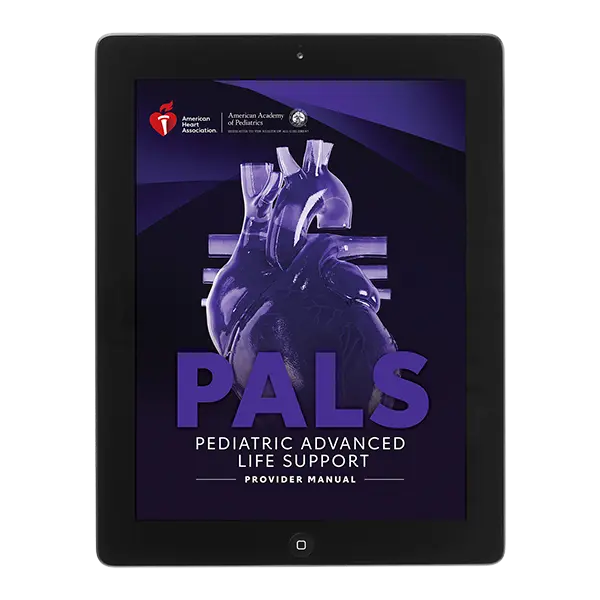
The goal of the PALS Course is to aid the pediatric healthcare provider in developing the knowledge and skills necessary to pediatric healthcare providers in developing the knowledge and skills necessary to efficiently and effectively manage critically ill infants and children, resulting in improved outcomes.
Skills taught under this AHA Course include recognition and treatment of infants and children at risk for cardiopulmonary arrest; the systematic approach to pediatric assessment, effective respiratory management; defibrillation and synchronized cardioversion; intraosseous access and fluid bolus administration; and effective resuscitation team dynamics. This course is available actively in three centres in Kerala currently- Kottayam, Kochi and Trivandrum.
This course is designed primarily for Pediatricians, Emergency Physicians, Family Physicians, Physician Assistants, Nurses, Nurse Practitioners, Paramedics, Respiratory Therapists, and other Healthcare Providers who initiate and direct advanced life support in pediatric emergencies
PALS is crucial for healthcare professionals who work in settings where pediatric patients may require urgent medical care, including emergency departments, pediatric wards, intensive care units, and pre-hospital settings. The course is typically attended by physicians, nurses, paramedics, respiratory therapists, and other healthcare providers who may be involved in the care of pediatric patients.
The primary goal of the PALS course is to improve outcomes for pediatric patients experiencing respiratory distress, cardiac arrest, or other life-threatening emergencies. Participants learn to assess and manage these situations systematically, following a structured approach that emphasizes early recognition, prompt intervention, and effective teamwork.
The PALS curriculum covers a wide range of topics, including pediatric assessment, basic life support (BLS) skills, advanced airway management, pediatric pharmacology, and the management of pediatric cardiac arrest and respiratory failure. Participants also learn to recognize and manage bradycardia, tachycardia, and shock in pediatric patients, as well as the integration of effective communication and teamwork strategies into resuscitation efforts.
PALS certification is typically valid for two years, after which healthcare providers are required to undergo recertification to maintain their credentials. Recertification may involve completing a refresher course, passing a written exam, and demonstrating proficiency in practical skills through skills testing.
The impact of PALS training on healthcare providers and patient outcomes is significant. Studies have shown that healthcare providers who undergo PALS training demonstrate improved knowledge, confidence, and performance in managing pediatric emergencies. They are better equipped to provide timely and effective interventions, leading to improved survival rates and outcomes for pediatric patients.
PALS certification is crucial for healthcare professionals involved in pediatric care. It not only enhances their knowledge and skills but also improves their confidence in managing pediatric emergencies. The certification is recognized globally and is often a requirement for professionals working in pediatric intensive care units, emergency departments, and other critical care settings.
The PALS course offered by IIEMS in Kochi, Trivandrum, and Kottayam is a vital training program for healthcare providers in Kerala. By equipping them with the necessary skills to recognize and manage pediatric emergencies, the course plays a significant role in improving the quality of care provided to critically ill children. With the availability of PALS courses at IIEMS, healthcare professionals in Kerala have ample opportunities to enhance their competencies and ensure better patient outcomes in pediatric emergencies.


American Heart Association
International Trauma Life Support

National Association of Emergency Medical Technicians
National Disaster Life Support Foundation
American College of Surgeons
Australasian Registry of Emergency Medical Technicians

Society of Trauma Nurses
Advanced Hazmat Life Support
Healthcare Sector Skill Council
The Global University Arunachal Pradesh

International Paramedic Registry