Support Email : courses@iiems.in
  Kottayam, Ernakulam, Trivandrum, Tamil Nadu Support Email : courses@iiems.in Kottayam, Ernakulam, Trivandrum, Tamil Nadu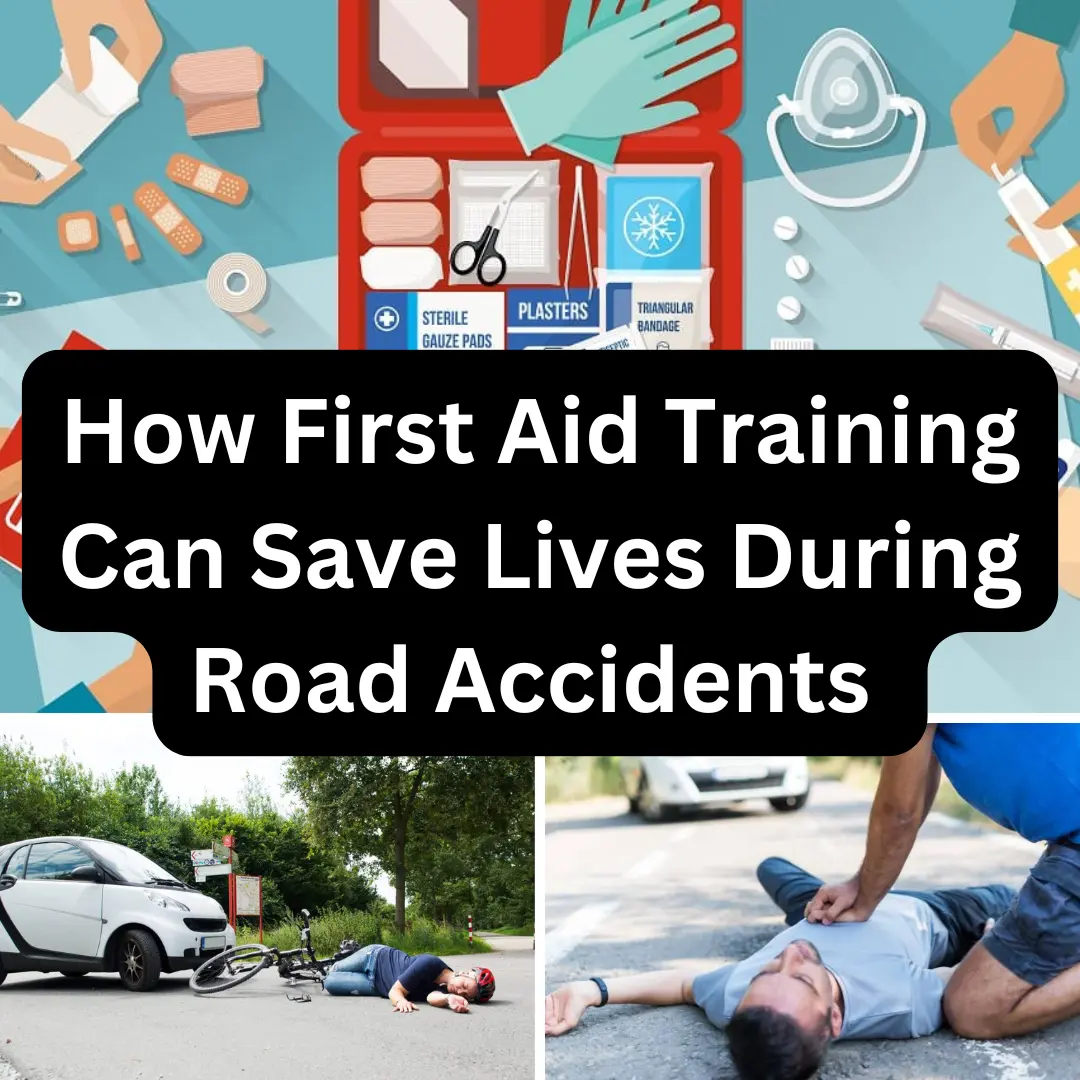
Road accidents remain a significant global health concern, claiming millions of lives each year and leaving many more injured or disabled. According to the World Health Organization (WHO), approximately 1.3 million people die annually due to road traffic accidents, while 20 to 50 million more suffer from non-fatal injuries. In India, the problem is even more pronounced, with the country accounting for one of the highest numbers of road fatalities globally. Despite improvements in road infrastructure, stricter traffic laws, and advancements in automobile safety, the mortality and injury rates remain high.
One of the most effective ways to mitigate the impact of road accidents is through first aid training. Immediate medical intervention at the scene of an accident can significantly increase the chances of survival and reduce the severity of injuries. Trained individuals can provide crucial pre-hospital care before emergency medical personnel arrive, stabilizing victims and preventing further complications.
This article explores the importance of first aid training, key first aid techniques for road accidents, and the crucial role played by the Indian Institute of Emergency Medical Services (IIEMS) in promoting emergency medical education in India.
The Importance of First Aid Training for Road Accidents
1. Immediate Response Saves Lives
When a road accident occurs, the first few minutes are critical in determining the outcome for the victims. In many cases, bystanders hesitate to intervene due to a lack of knowledge or fear of legal repercussions. However, a well-trained individual can administer first aid, such as cardiopulmonary resuscitation (CPR) or wound care, to keep the injured person stable until medical professionals arrive.
For example, if a victim is unconscious and not breathing, performing CPR can help maintain circulation and oxygen supply to the brain, preventing brain damage or death. Similarly, stopping excessive bleeding can prevent the victim from going into shock, which is a life-threatening condition.
2. Prevention of Further Injury
Improper handling of accident victims can lead to further injuries, especially in cases involving spinal cord trauma or internal bleeding. Well-meaning but untrained bystanders might attempt to move an injured person in a way that exacerbates their condition. First aid training teaches proper techniques for handling accident victims, ensuring that they receive the best possible care while minimizing additional harm.
For instance, a suspected spinal injury should be managed by keeping the victim as still as possible and avoiding unnecessary movements until professional help arrives. Applying proper first aid techniques can make a significant difference in the long-term health outcomes of the injured individual.
3. Reduction in Recovery Time and Complications
Early and appropriate first aid intervention can shorten hospital stays and improve overall recovery outcomes. Quick action can prevent infections in wounds, reduce the severity of burns, and stabilize fractures, leading to better healing and fewer complications.
For example, covering a severe burn with a clean, moist cloth can help prevent infection, while applying a splint to a fractured limb can reduce pain and prevent further damage. These simple but effective measures improve the victim's chances of a full recovery with minimal long-term consequences.
4. Boosting Public Confidence and Readiness
Fear and hesitation often prevent people from offering assistance in emergency situations. First aid training instills confidence, allowing individuals to act decisively and effectively. By spreading awareness and equipping more people with basic medical skills, societies can cultivate a culture of preparedness, ensuring that more lives are saved in emergencies.
Key First Aid Techniques for Road Accidents
Understanding and applying key first aid techniques can significantly improve survival rates and reduce injury severity. Some of the most essential first aid skills include:
Cardiopulmonary Resuscitation (CPR): This is critical for victims who are unconscious and not breathing. Performing chest compressions and rescue breaths can maintain circulation and oxygen supply to the brain and other vital organs.
Controlling Bleeding: Severe bleeding can lead to life-threatening blood loss within minutes. Applying direct pressure with a clean cloth, elevating the injured limb, and using a tourniquet, if necessary, can help control bleeding.
Handling Fractures and Dislocations: Immobilizing broken bones and joints with splints or makeshift supports can prevent further damage and reduce pain.
Spinal Injury Management: Moving a victim with a suspected spinal injury can cause paralysis or worsen their condition. Keeping the person still and aligned until medical personnel arrive is essential.
Shock Management: Road accident victims often experience shock due to severe injuries. Keeping them warm, elevating their legs (if there are no spinal injuries), and monitoring their breathing can help prevent deterioration.
Burn and Wound Care: Cooling burns with cold running water and covering wounds with sterile dressings can prevent infections and reduce pain.
The Role of Indian Institute of Emergency Medical Services (IIEMS) in First Aid Training
The Indian Institute of Emergency Medical Services (IIEMS) is a key player in the field of emergency medical education and training in India. Based in Kerala, a region often referred to as 'God’s Own Country', this institution has made remarkable contributions to emergency preparedness and trauma care.
IIEMS is a center of excellence that brings together experts from various parts of the world, including India, the United States, and Europe. The organization focuses on delivering specialized training in emergency medicine, trauma management, and disaster response. By equipping healthcare professionals and first responders with essential skills, IIEMS plays a crucial role in improving pre-hospital care and emergency response systems across India.
IIEMS Contributions to Emergency Training
Over the years, IIEMS has trained more than 400,000 healthcare professionals, including doctors, paramedics, nurses, and emergency medical technicians. The institution offers a wide range of training programs, including:
-Advanced Trauma Life Support (ATLS): A specialized course designed for healthcare providers to improve trauma care skills.
-Basic Life Support (BLS) and First Aid Training: Programs aimed at both medical professionals and laypersons to prepare them for emergencies.
-Emergency Medical Technician (EMT) Training: Aimed at individuals who aspire to become professional first responders in emergency situations.
IIEMS also collaborates with government bodies, educational institutions, and corporate organizations to promote emergency preparedness and awareness. By conducting workshops, simulations, and awareness campaigns, the institute ensures that more individuals are equipped to handle medical emergencies, including road accidents.
How to Encourage First Aid Training in India
Mandatory First Aid Training for Drivers: Implementing a requirement for first aid certification as part of the driving license application process would ensure that more people are equipped with life-saving skills.
Workplace First Aid Programs: Businesses should invest in first aid training for employees, creating a safer work environment and encouraging social responsibility.
Educational Institution Initiatives: Schools and universities should integrate first aid training into their curriculum, preparing students to respond to emergencies effectively.
Community Awareness Campaigns: Conducting public demonstrations, seminars, and hands-on training sessions can help spread awareness about the importance of first aid in road accidents.
Public-Private Partnerships: Government agencies and private organizations should collaborate to establish widespread first aid training programs accessible to all sections of society.
First aid training is a crucial yet often overlooked component of road safety. The ability to provide immediate medical assistance can mean the difference between life and death in an accident scenario. Organizations like IIEMS play a vital role in ensuring that individuals are equipped with the necessary skills to act quickly and effectively.
By prioritizing first aid education and making it widely accessible, India can significantly reduce road accident fatalities and injuries. The responsibility lies with individuals, businesses, and government bodies to promote and support first aid training initiatives. A society where everyone is prepared to save lives is a society that is truly safe and resilient.
FAQ
1. Why is first aid training important for road accidents?
First aid training helps individuals respond quickly and effectively to injuries, preventing further harm and increasing the chances of survival until medical professionals arrive.
2. What are the most common injuries in road accidents?
Common injuries include fractures, head trauma, bleeding wounds, spinal injuries, and shock.
3. What should be the first step when you witness a road accident?
Ensure your safety first, check the condition of the victim, and call emergency services immediately.
4. How can I help a victim who is unconscious?
Check for breathing and pulse. If absent, start CPR (Cardiopulmonary Resuscitation) if trained.
5. How do I control bleeding in an accident victim?
Apply direct pressure to the wound with a clean cloth, elevate the injured part (if possible), and avoid unnecessary movement.
6. How do I treat a person in shock after an accident?
Lay them down, keep them warm, and reassure them while waiting for medical help.
7. How do I help a person with burns from a vehicle fire?
Remove them from the source of heat if safe, cool the burn with clean water (not ice), and cover it with a sterile cloth.
8. Can first aid training help prevent fatalities in road accidents?
Yes, timely and correct first aid can stabilize victims, prevent complications, and save lives before medical help arrives.