Support Email : courses@iiems.in
  Kottayam, Ernakulam, Trivandrum, Tamil Nadu Support Email : courses@iiems.in Kottayam, Ernakulam, Trivandrum, Tamil Nadu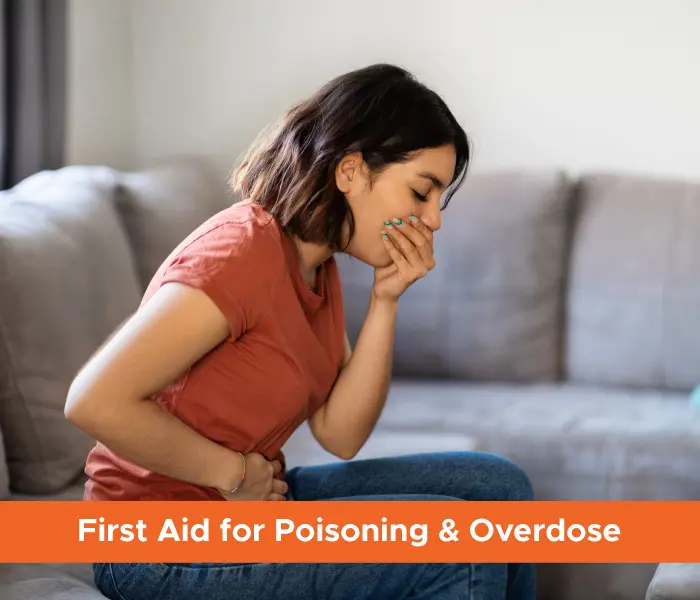
Poisoning and overdose are among the most alarming medical emergencies anyone can encounter. They can occur suddenly, sometimes without any warning, and demand quick, informed action. Recognizing the signs, knowing what steps to take immediately, and understanding when to call for professional help can truly make the difference between life and death.
This guide outlines essential first aid measures for suspected poisoning or overdose situations — focusing on what to look for, what to do, and what to avoid. Poisoning happens when harmful substances — such as chemicals, medications, household products, gases, plants, or toxins — enter the body. Overdose, on the other hand, usually refers to consuming a higher dose of a drug (prescription, over-the-counter, or illicit) than the body can tolerate. Because the symptoms can vary widely depending on the substance and how it entered the body, it’s important to stay alert for any of the following signs: In overdose cases, you might also find empty pill bottles, syringes, or drug paraphernalia nearby. Treat every suspected case as serious and act immediately. Even if the situation appears to improve, poisoning can cause delayed effects — professional evaluation is crucial. Having a well-stocked first aid kit and knowing how to use it are both vital. However, true preparedness also comes from training and confidence. Learning how to assess, provide safe first aid, and communicate clearly with emergency responders can make a life-saving difference. Proper first aid training equips individuals to stay calm under pressure and avoid mistakes. Every home, school, and workplace should have at least one trained first aider capable of handling poisoning and overdose emergencies effectively. Poisoning and overdose emergencies can occur anywhere and often without warning. Quick recognition, immediate action, and timely medical help can make the difference between life and death. The International Institute of Emergency Medical Services (IIEMS) empowers individuals with essential first aid and emergency response skills through certified training programs. Whether you’re a parent, teacher, or professional, IIEMS training ensures you’re prepared — and capable of saving lives. In any emergency, knowledge and swift action are your greatest tools.Identifying Poisoning & Overdose: Key Signs to Watch For
Immediate First Aid Steps: What to Do (and What Not to Do)
Check responsiveness and vital signs: If the person is unconscious and not breathing normally, begin CPR if you are trained to do so. If they are breathing but unresponsive, lay them on their side in the recovery position.Special Considerations for Overdose
When to Call for Help: Red Flags & Emergency Signs
Why Preparedness & Training Matter
Key Takeaways
Conclusion