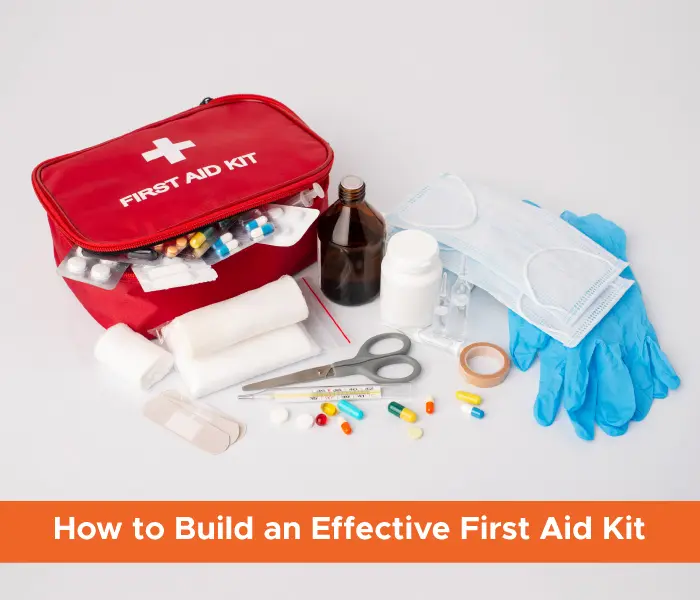
How to Build an Effective First Aid Kit: Home, Vehicle & Workplace
Emergencies don’t wait. Whether it’s a minor cut, burn, or a more serious incident, having a well-stocked first aid kit in your home, vehicle, and workplace can make a critical difference. Below is a guide to the essential supplies and accessories you should include in kits for your home, vehicle, and workplace. While IIEMS (International Institute of Emergency Medical Services) emphasizes training and readiness, this list focuses strictly on what to pack so you’re prepared to respond when needed.
Why a Well-Equipped First Aid Kit Matters
A first aid kit is more than just a box of bandages and ointments — it acts as your immediate support before professional help arrives. Many safety and health agencies recommend that every household, vehicle, and workplace maintain a properly stocked kit.
IIEMS emphasizes that equipping yourself is not enough; it must go hand in hand with knowledge and skill. Without knowing how to use what is in the kit, its usefulness is limited. In fact, many first aid courses (including those offered by IIEMS) stress both tools and training as the dual pillars of emergency readiness.
Moreover, regulatory frameworks in many nations require workplaces to maintain first aid supplies — and in some jurisdictions, even vehicles (or commercial fleets) must comply with specific standards. The content and level of a kit should reflect the risks present in each setting.
Core Principles for All First Aid Kits
- Organized layout: Use modular compartments or zippered pouches so you can find items quickly under stress.
- Durable, portable container: Choose a rigid plastic box or sturdy, water-resistant pouch.
- Routine inspection: Check kit contents at least twice a year for expiration, degradation, or missing items.
- Customization: Adapt the kit to your family, work hazards, climate, or special needs (e.g., allergies, children).
- Include a quick reference guide: A short first aid manual or cheat sheet and emergency contact list can save precious time.
Emergency Essentials for Any First Aid Kit
- Adhesive bandages (assorted sizes)
- Sterile gauze pads & wound dressings
- Roller bandages / medical tape
- Antiseptic wipes or solution
- Antibiotic ointment
- Burn gel or burn dressing
- Instant cold pack
- Disposable gloves (non-latex)
- Scissors & tweezers
- Breathing barrier / CPR face shield
- Emergency foil blanket
- Sterile saline or eye wash
- Triangular bandage / sling
- Pain relief medication (basic analgesic)
- Emergency contact card / first aid guide
- Small flashlight or penlight
Home First Aid Kit: Your Base of Safety
Most accidents happen at home — from cuts and burns to sprains and insect bites. Your home kit should be comprehensive yet practical for day-to-day use.
Suggested Items
Dressings & Wound Care
- Sterile gauze pads (various sizes)
- Non-stick sterile dressings / compresses
- Adhesive bandages (assorted sizes)
- Roller gauze bandages (2 in, 3 in)
- Triangular bandages or slings
- Adhesive medical tape
Topical / First Aid Agents
- Antiseptic wipes or solution
- Antibiotic ointment
- Hydrocortisone cream (for itch/inflammation)
- Burn gel / burn cream
Tools & Accessories
- Scissors (blunt tip)
- Tweezers
- Safety pins
- Digital (non-glass) thermometer
- Instant cold packs
- Disposable non-latex gloves
- Cotton swabs / balls
- Sterile saline / eye wash
- Emergency (foil) blanket
- Breathing barrier (face shield with one-way valve)
Medicines & Personal Items
- Over-the-counter pain relievers (e.g., acetaminophen, ibuprofen)
- Antihistamines (for allergies)
- Spare prescription medicines
- Anti-diarrheal / oral rehydration salts (if relevant)
- Insect sting relief
Other Essentials
- Emergency contact list (ambulance, poison control, nearby clinics)
- First aid instruction leaflet or mini manual
- Flashlight + spare batteries
- Notepad + waterproof pen
Store the kit in a central, accessible place (but out of reach of children). Avoid humid areas so that supplies like adhesive items and medicines aren’t prematurely degraded.
Vehicle First Aid Kit: On-the-Move Preparedness
When you’re on the road, you may be far from immediate help. A vehicle kit serves as your mobile backup, combining core first aid items with travel-specific tools.
Core Items (from Home Kit)
- Adhesive bandages, gauze, tape
- Roller and triangular bandages
- Antiseptic wipes, antibiotic ointment
- Gloves, cold compress
- Scissors, tweezers
- Breathing barrier, emergency blanket
- Pain relievers, antihistamines
Vehicle-Specific Additions
- Reflective warning triangle / high-visibility vest
- Flashlight + spare batteries
- Jumper cables
- Fire extinguisher (small, automotive class)
- Spare tire, jack, lug wrench
- Duct tape or utility multi-tool
- Blanket, rain poncho
- Bottled water
- Road map, roadside assistance numbers
Place the kit in the trunk or glove compartment — somewhere accessible but secure. Check and refresh the kit every six months (or after any use). For vehicles used in commercial or remote settings, follow stricter standards or expand contents based on expected risks.
Workplace First Aid Kit: Safety at Work
Workplaces can host a variety of hazards: machinery, chemicals, falls, heavy lifting, etc. A workplace first aid kit must address common and predictable risks. Many regulatory bodies mandate minimal requirements for such kits.
Basic Items for a Workplace Kit
- Sterile gauze pads and larger dressings
- Roller bandages
- Triangular bandages / slings
- Adhesive bandages / plasters
- Medical adhesive tape
- Antiseptic wipes or wound cleaning agents
- Scissors, tweezers, safety pins
- Disposable gloves (non-latex)
- Blanket
- CPR / resuscitation equipment (e.g., mask)
- Elastic wraps (for strains)
- Splints or rigid supports (if relevant)
- Instructions or labels for emergency procedures
Augmented Items Based on Hazard Analysis
- Burn dressings or gels
- Eye wash stations or saline bottles
- Antiseptic spray
- Thermal blankets
- Splints/finger splints
- Shock dressings
- Additional PPE (gloves, masks, gowns)
- Epinephrine auto-injectors (if allergy risk exists)
- Emergency eyewash / shower supplies
Place kits where they're easily accessible — near workstations, break rooms, or hazard zones. Ensure staff are aware of kit locations and receive first aid training (for instance, via IIEMS). Review and adapt kit contents whenever workplace activities or risk profiles change.
Maintenance & Training: Making Your Kit Effective
- Regular audits: Twice yearly, review each kit’s inventory and replace expired or used items.
- Use a checklist: Keep an internal list inside the kit to identify missing items quickly.
- First aid training is essential: A kit is just a box unless people know how to use it. IIEMS offers programs to build competence and confidence.
- Practice drills: Simulate first aid scenarios at home, in vehicles, or at work to reinforce actions under stress.
- Personalize: Add items specific to your household or workforce (allergy meds, inhalers, spare prescriptions).
- Update as needed: Adjust the kit as your environment or risks change (seasonal, equipment, or workforce shifts).
Conclusion
A truly effective first aid kit is:
- Relevant to the environment (home, vehicle, or workplace)
- Accessible and well-organized
- Routinely maintained
- Backed by knowledge and training
By building targeted kits adapted to different settings and pairing them with proper training (such as through IIEMS), you'll position yourself to respond swiftly and confidently in emergencies. Having the tools is crucial — knowing how to use them makes all the difference.
 Support Email : courses@iiems.in
  Kottayam, Ernakulam, Trivandrum, Tamil Nadu