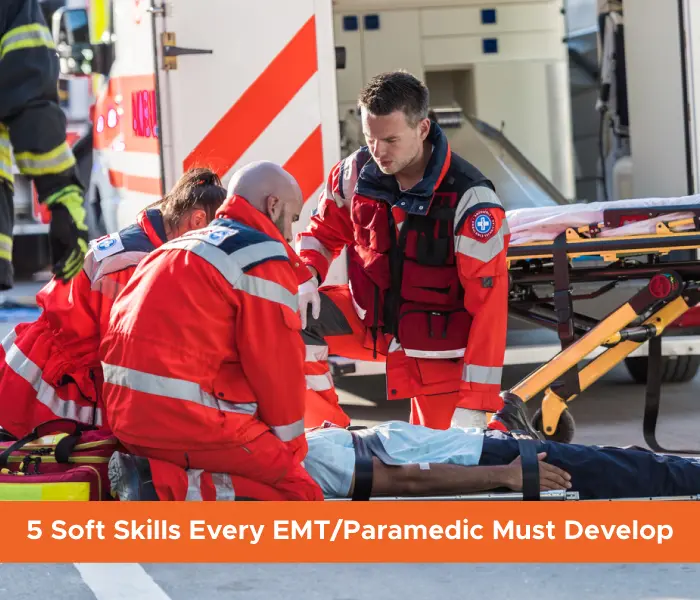
5 Soft Skills Every EMT/Paramedic Must Develop: Communication, Stress Management & Decision-Making
In the high-stakes world of emergency medical services (EMS), technical proficiency is vital—but it's the soft skills that often determine the quality of patient care and team effectiveness. Emergency Medical Technicians (EMTs) and paramedics operate in unpredictable, emotionally charged environments, where clear communication, stress resilience, and sound decision-making are essential. These competencies not only enhance patient outcomes but also safeguard the well-being of EMS professionals themselves.
According to the International Institute of Emergency Medical Services (IIEMS), soft skills are integral to EMS training and practice. They emphasize that while clinical knowledge is foundational, the ability to navigate complex human interactions and maintain composure under pressure is equally crucial.
1. Effective Communication
Why It Matters: Clear, concise communication is paramount in EMS. Paramedics must relay critical information to dispatchers, collaborate with team members, and explain procedures to patients and bystanders—all while managing high-stress situations. Miscommunication can lead to errors, delays, and compromised patient care.
Key Aspects:
- Active Listening: Fully concentrating, understanding, responding, and remembering what is being said.
- Clear Articulation: Using simple, direct language to convey information.
- Non-Verbal Cues: Being aware of body language and facial expressions, which can convey empathy and authority.
- Documentation: Accurate and timely recording of patient information and treatment provided.
Development Strategies:
- Simulation Training: Engaging in role-playing scenarios to practice communication in various emergency contexts.
- Feedback Mechanisms: Receiving constructive feedback from peers and supervisors to identify areas for improvement.
- Continuing Education: Participating in workshops and courses focused on interpersonal communication skills.
2. Stress Management and Emotional Resilience
Why It Matters: EMS professionals frequently encounter traumatic and life-threatening situations. The ability to manage stress and maintain emotional resilience is crucial to prevent burnout, compassion fatigue, and to ensure sustained high performance.
Key Strategies:
- Mindfulness Practices: Techniques such as deep breathing and meditation to center oneself during high-pressure moments.
- Debriefing Sessions: Post-incident discussions to process experiences and emotions.
- Peer Support: Building a network of colleagues to share experiences and provide mutual support.
- Professional Counseling: Seeking help from mental health professionals when needed.
Organizational Support:
- Wellness Programs: Instituting programs that promote physical and mental health among EMS personnel.
- Stress Management Training: Providing training on recognizing and coping with stress.
- Adequate Rest Periods: Ensuring sufficient downtime between shifts to recuperate.
3. Critical Thinking and Decision-Making
Why It Matters: EMTs and paramedics often make life-or-death decisions with limited information. The ability to think critically, assess situations rapidly, and make informed decisions is vital for effective patient care.
Key Components:
- Situation Assessment: Quickly evaluating the scene for safety and identifying immediate patient needs.
- Prioritization: Determining which patient requires the most urgent care based on severity.
- Resource Allocation: Making decisions about the use of available equipment and personnel.
- Adaptability: Adjusting plans as new information becomes available or situations change.
Enhancement Techniques:
- Scenario-Based Training: Participating in mock drills that simulate real-life emergencies.
- Case Reviews: Analyzing past cases to understand decision-making processes and outcomes.
- Mentorship: Learning from experienced professionals through observation and guidance.
4. Teamwork and Collaboration
Why It Matters: EMS operations are inherently team-based. Effective collaboration among paramedics, EMTs, and other emergency responders ensures coordinated care and efficient use of resources.
Key Elements:
- Role Clarity: Understanding one's responsibilities and respecting others' roles within the team.
- Mutual Respect: Valuing each team member's contributions and perspectives.
- Conflict Resolution: Addressing disagreements constructively to maintain team cohesion.
- Shared Goals: Aligning efforts towards common objectives, primarily patient well-being.
Fostering Teamwork:
- Team-Building Activities: Engaging in exercises that strengthen interpersonal relationships.
- Interdisciplinary Training: Collaborating with other emergency services to enhance coordination.
- Regular Briefings: Holding meetings to discuss protocols, share information, and address concerns.
5. Cultural Competence and Empathy
Why It Matters: EMS professionals serve diverse populations with varying cultural backgrounds, beliefs, and values. Demonstrating cultural competence and empathy ensures respectful, personalized care and fosters trust between providers and patients.
Key Aspects:
- Cultural Awareness: Recognizing and respecting cultural differences in healthcare beliefs and practices.
- Empathetic Communication: Expressing understanding and compassion towards patients and their families.
- Non-Judgmental Attitude: Providing care without bias or preconceived notions.
- Patient Advocacy: Supporting patients' rights and preferences in care decisions.
Development Approaches:
- Cultural Competency Training: Participating in programs that educate about diverse cultures and healthcare practices.
- Community Engagement: Interacting with various community groups to understand their needs and perspectives.
- Reflective Practice: Engaging in self-reflection to recognize and address personal biases.
Conclusion
While technical skills are fundamental in EMS, the integration of soft skills such as communication, stress management, critical thinking, teamwork, and cultural competence significantly enhances the quality of care provided. Paramedics and EMTs who cultivate these abilities are better equipped to navigate the complexities of emergency situations, leading to improved patient outcomes and personal well-being.
Continuous education, self-awareness, and organizational support are essential in developing these competencies. By prioritizing soft skills alongside clinical expertise, EMS professionals can ensure they deliver compassionate, effective, and culturally sensitive care to those in need.
 Support Email : courses@iiems.in
  Kottayam, Ernakulam, Trivandrum, Tamil Nadu