Support Email : courses@iiems.in
  Kottayam, Ernakulam, Trivandrum, Tamil Nadu Support Email : courses@iiems.in Kottayam, Ernakulam, Trivandrum, Tamil Nadu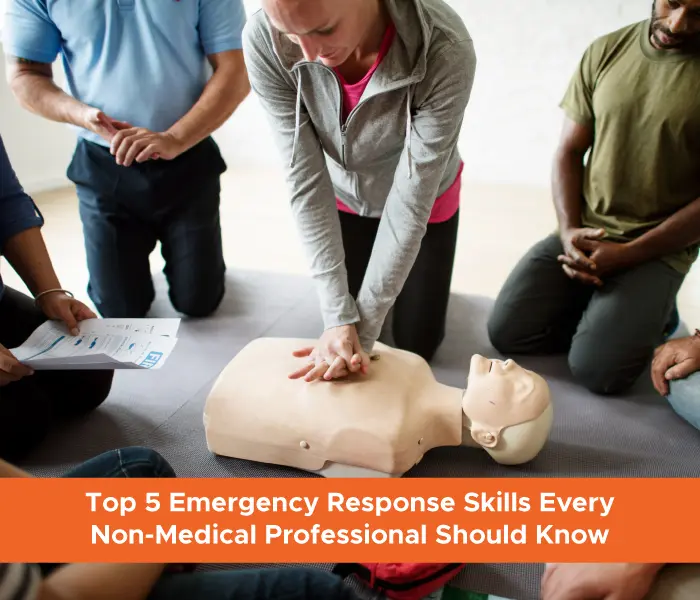
Emergencies can occur without warning, and often, the first person to respond is a bystander. Whether you're at home, in the workplace, or in a public space, knowing how to act swiftly and effectively can make all the difference.
Why It Matters: Cardiac arrest can happen suddenly, and immediate intervention is crucial. CPR helps maintain blood flow to vital organs, and using an AED can restore a normal heart rhythm. Immediate CPR can double or triple a person's chance of survival.
Training Resources: Organizations like the Red Cross and local health departments offer CPR and AED training courses for non-medical professionals.
Why It Matters: Severe bleeding can lead to shock and even death if not controlled promptly. Applying direct pressure, using a tourniquet, or packing a wound are effective techniques to control bleeding until professional help arrives.
Training Resources: First aid courses often cover bleeding control techniques, including the use of tourniquets and hemostatic dressings.
Why It Matters: Choking is a silent emergency that requires quick action. Recognizing the signs—such as inability to speak, cough, or breathe—is vital. For adults, performing the Heimlich maneuver can dislodge the obstruction.
Training Resources: Many first aid courses include choking response techniques, tailored for different age groups.
Why It Matters: Being able to identify signs of serious conditions like heart attacks, strokes, or seizures can be lifesaving. Early recognition allows for timely intervention and can significantly improve outcomes.
Training Resources: Emergency response courses often include modules on recognizing and responding to medical emergencies.
Why It Matters: Minor injuries are common and can often be treated effectively with basic first aid. Knowing how to care for burns, sprains, and fractures can prevent complications and promote faster recovery.
Training Resources: First aid courses provide practical training on managing common injuries.
Equipping yourself with these emergency response skills can empower you to act confidently and effectively in critical situations. Training programs offered by IIEMS are designed specifically for non-medical professionals to provide practical knowledge and hands-on practice. Remember, your actions can make a significant difference in saving lives. Stay prepared, stay calm, and be ready to respond when it matters most.